

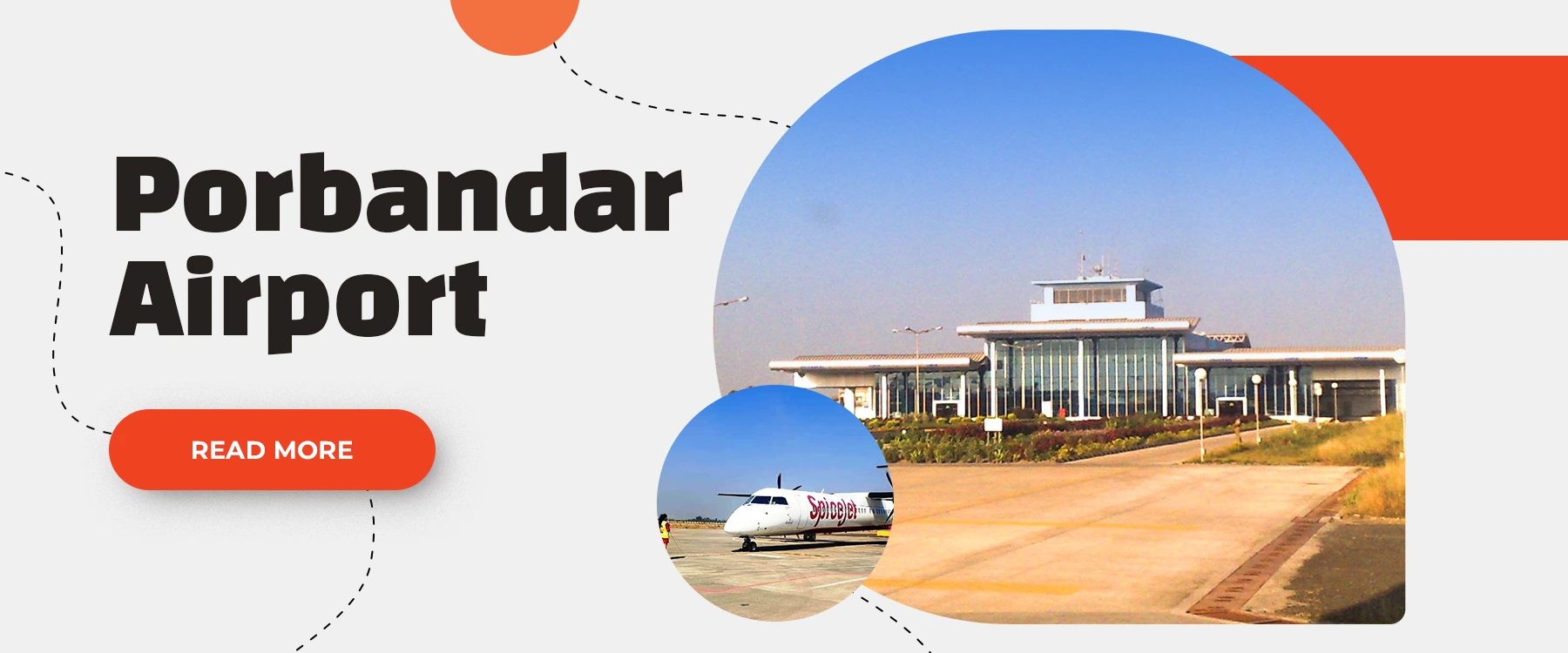
Porbandar Airport handles flights in Gujarat's coastal region. The facility opened a new terminal in 2008 and runs both civilian and military operations. After stopping all passenger services in 2020, the airport started flying commercial planes again in March 2025.
The airport has two identification codes. Airlines use PBD (IATA code) when you book tickets online. Air traffic controllers use VAPR (ICAO code) for flight plans and navigation. The official name is Civil Aerodrome, Porbandar, though most people just say Porbandar Airport.
The facility covers 278.32 acres of land. A single runway measures 4,500 feet long and handles medium-sized aircraft. Two ATR 72 planes can park on the apron at the same time.
Central Porbandar is 5 to 6 kilometres away. A taxi takes about 10 minutes to drive this distance. Many drivers wait outside the terminal, so finding transport is easy. Ride-sharing apps work in Porbandar if you prefer booking through your phone.
Public buses connect the airport with different city neighbourhoods. These buses take roughly 50 minutes because they stop frequently to pick up passengers. Bus tickets cost less than taxis but you need extra time before your flight.
Porbandar Railway Station is 5 kilometres from the airport. Trains arrive from cities across India. When you get off the train, taxis and auto-rickshaws wait outside the station. The drive to the airport takes about 10 minutes.
State Transport Buses run between Gujarat cities. You can catch buses to Dwarka, Junagadh, Ahmedabad, Rajkot, and Jamnagar. All these routes have stops in Porbandar where you can transfer to local transport reaching the airport.
Planes started flying from Porbandar in the 1980s. Three routes ran regularly: one to Ahmedabad, one to Delhi, and one to Mumbai. These connections continued for about 40 years.
Everything stopped in 2020. The airport closed to passenger flights. No airlines flew any routes for several years.
SpiceJet had operated the Mumbai route twice before - first until 2019, then briefly again in 2021. Both times the service ended. In March 2025, SpiceJet brought back daily flights to Mumbai. This is the only passenger route right now. Each flight takes 1 hour and 33 minutes. The airline runs about 12 flights every week.
The government opened a new terminal in April 2008. Building it cost ₹13.50 crore. The terminal spreads across 4,000 square metres.
Check-In Area:
Six counters handle passengers checking bags and getting boarding passes. Staff at these counters weigh luggage, print baggage tags, and assign seats. Lines form during busy times, but six counters usually keep waits reasonable. The counters open about two hours before flights depart.
Baggage Collection:
Two conveyor belts bring suitcases from planes to the arrivals hall. Passengers wait around the belts watching for their bags. The belts start moving shortly after planes land. Staff members help if bags don't appear or get damaged during the flight.
Passenger Capacity:
The building handles 100 people arriving and 100 people leaving at the same time. This gives a total capacity of 200 passengers. During peak hours when flights bunch together, the terminal can feel crowded. Quieter times give everyone more space.
Moving Your Luggage:
Trolleys are free. Grab one when you enter and load your suitcases onto it. The trolleys have four wheels that roll in any direction, making them easy to push. You can keep the trolley until you reach check-in or until you leave the terminal after collecting bags. Nobody charges you for using them.
Support for People Who Need Help:
Wheelchairs wait in the arrivals hall. Elderly passengers and people with mobility problems can request wheelchair assistance. Airport staff will push the wheelchair from the arrivals gate to the exit, or from the entrance to the departure gate. You don't pay extra for this service - it's free for anyone who needs it.
Places to Eat:
Food counters prepare hot meals throughout the day. You can order rice dishes, sandwiches, or local Gujarat snacks. The counters also sell cold drinks, tea, and coffee. Prices are higher than street food outside, but the portions fill you up before flights. Some counters stay open late for evening departures.
Shopping Inside:
Small shops sell newspapers, magazines, and books. Reading material helps pass time during delays or long waits. You'll also find basic necessities like phone chargers, headache tablets, and travel-sized toiletries. The shops keep common items that passengers often forget to pack.
Duty-Free Products:
Duty-free shops sell certain products without adding regular taxes. Alcohol and tobacco are the main items available. The lower tax makes these products cheaper than buying them in regular shops outside the airport. You need a boarding pass to enter the duty-free area.
The Indian Navy and Indian Coast Guard share the airport with civilian flights. Military aircraft use the same runway but have separate parking areas and buildings.
INAS 343 is a Navy squadron that flies drones. These unmanned aircraft have no pilots inside - people control them from the ground using computers. The squadron started work in January 2011, becoming the first UAV unit under Western Naval Command. Navy personnel gave themselves the nickname "Frontier Formidables." The squadron does two different jobs: flying actual missions over the Arabian Sea, and training new operators how to control drones. In 2024, two new Drishti 10 Starliner drones joined the unit.
INAS 314 goes by the name "Raptors." This electronic warfare squadron began operations on 29 November 2019. The team watches for ships and submarines in the North Arabian Sea. Dornier 228 aircraft carry special radar and radio equipment that detects vessels from far away. This surveillance helps India monitor its coastal waters.
The Coast Guard opened its enclave on 12 June 2008. This separate section provides supplies and repairs for helicopter crews. The 850 Squadron flies Advanced Light Helicopters on daily patrols. These helicopters watch for illegal fishing boats, smuggling ships, and people in distress at sea. Rescue missions launch from here when boats capsize or fishermen go missing.
Hotels Near the Terminal:
Jamnagar - 97 kilometres north-east:
Baps Shri Swaminarayan Mandir has white marble walls and golden domes with detailed stone carvings. Khijadiya Bird Sanctuary attracts flamingos, pelicans, and storks during winter when migratory birds arrive from Central Asia and Siberia. Saifee Masjid displays Islamic architecture with minarets and a prayer hall.
Rajkot - 137 kilometres north-east:
ISKCON Rajkot teaches Krishna worship through displays and videos. Rampara Wildlife Sanctuary protects wolves, hyenas, and blackbuck in dry grasslands, with safari jeeps running early morning tours. Another Mahatma Gandhi Museum here covers different periods of his life than the Porbandar museum.
Junagadh - 105 kilometres away:
A taxi takes 2 hours and 5 minutes whilst public buses need 7 hours and 10 minutes. Ancient Buddhist caves carved over 2,000 years ago and a massive hilltop fort with hundreds of steps reward visitors with views across the entire region
May (Peak Season - Hottest):
Temperatures range from 27°C to 34°C, making May the warmest month. This is peak tourist season when hotels charge their highest rates due to strong demand. Festivals and cultural events happen frequently, but temples and museums get crowded with visitors.
February (Quietest Month):
Hotels drop their prices to attract guests whilst flights cost less than other months. Temples and tourist sites have short queues or no queues at all. February works well if you dislike crowds and want to save money, though some restaurants reduce their hours because fewer customers come.
January (Best Weather):
Temperatures stay between 17°C and 27°C, making it the coldest yet most comfortable month for walking around. January has the most sunshine and very little rain, with clear skies that make photography better. This combination of cool temperatures and dry weather makes January excellent for sightseeing.
July (Monsoon Season):
About 13 days of the month see wet weather as monsoon clouds from the Arabian Sea drop heavy showers. Streets flood temporarily when rain falls hard and outdoor plans often get cancelled. However, rain makes the landscape green, washes dust off buildings, and temperatures drop from summer's heat providing relief.
Best Time to Book
April generally has the cheapest fares all year. Airlines lower prices in April because fewer people travel then. If you can choose when to fly, picking April dates saves money. Looking ahead specifically, Thursday, 9 April 2026 currently shows very competitive pricing.
Book about 40 days before you want to fly. Airlines release seats for sale several months early. Initial prices are lower to attract the first bookings. As more seats sell and the departure date gets closer, computers raise the prices. People who book in the final week before flying usually pay the highest fares.
FlightsMojo brings flight information from many airlines into one search. You type your route once and see options from numerous carriers. The platform updates prices constantly throughout the day, showing what's actually available right now.
You can sort results by lowest price, shortest flight time, or preferred airline. The search adapts to what matters most for your specific trip.
1. What codes does Porbandar Airport use?
PBD is the IATA code that appears on tickets and booking websites. VAPR is the ICAO code that air traffic controllers use for flight plans. The official name is Civil Aerodrome, Porbandar, but everyone calls it Porbandar Airport or just PBD.
2. Which airline flies from Porbandar now?
SpiceJet runs daily flights between Porbandar and Mumbai. These services restarted in March 2025 after the airport had no passenger flights for several years. Each flight takes 1 hour and 33 minutes. The airline operates about 12 flights weekly.
3. How do I get from the airport to Porbandar city?
Taxis take roughly 10 minutes to reach central Porbandar, which is 5 to 6 kilometres away. Public buses need about 50 minutes for the same trip. Ride-sharing apps work here. Many hotels offer free pickup if you book rooms ahead and tell them your arrival time.
4. Why did flights stop and start again?
Planes flew regularly to Ahmedabad, Delhi, and Mumbai from the 1980s onwards. All services stopped in 2020. The airport had no passenger flights for several years. SpiceJet brought back the Mumbai route in March 2025, restarting civilian operations.
5. What facilities does the terminal have?
Six check-in counters process departing passengers. Two conveyor belts deliver luggage in arrivals. Free trolleys help move bags. Wheelchairs are available for people who need them. Shops sell newspapers, magazines, and books. Food counters serve hot meals and drinks. Duty-free shops sell alcohol and tobacco without regular taxes.
6. Does the military use this airport?
Yes. The Indian Navy operates two squadrons: INAS 343 flies drones for ocean surveillance, and INAS 314 uses Dornier 228 planes for electronic warfare. The Indian Coast Guard flies helicopters on coastal patrols. Military operations have shared the airport with civilian flights for many years.
7. When should I book to get low fares?
April usually has the cheapest fares. Booking roughly 40 days before departure gets better prices than last-minute bookings. Thursday, 9 April 2026 currently shows particularly good rates. Setting up price alerts notifies you automatically when fares drop.
8. How many passengers can the terminal handle?
The building processes 100 arriving and 100 departing passengers at once - 200 people total. The terminal opened in April 2008. The government spent ₹13.50 crore building it.
9. What can I visit from Porbandar?
Mahatma Gandhi Museum is 2 kilometres south of the city centre. Somnath Mahadev Temple is 2 kilometres west. Nearby cities include Jamnagar (97 km, has bird sanctuary and temples), Rajkot (137 km, has ISKCON temple and wildlife sanctuary), and Jūnāgadh (105 km, has Buddhist caves and hill fort).
10. What weather should I expect?
May is hottest at 27°C to 34°C. January is coldest at 17°C to 27°C but has the most sunshine. July gets the most rain with about 13 days of wet weather. October through March offers comfortable temperatures and less rain for visiting.











/&description=About Bhuj Airport (BHJ) Information – Flights, Terminals & Services&media=https://crm.flightsmojo.in//UploadedImages/19f65de7-f1b5-4d00-bb80-35fd704c8d0c.webp)


