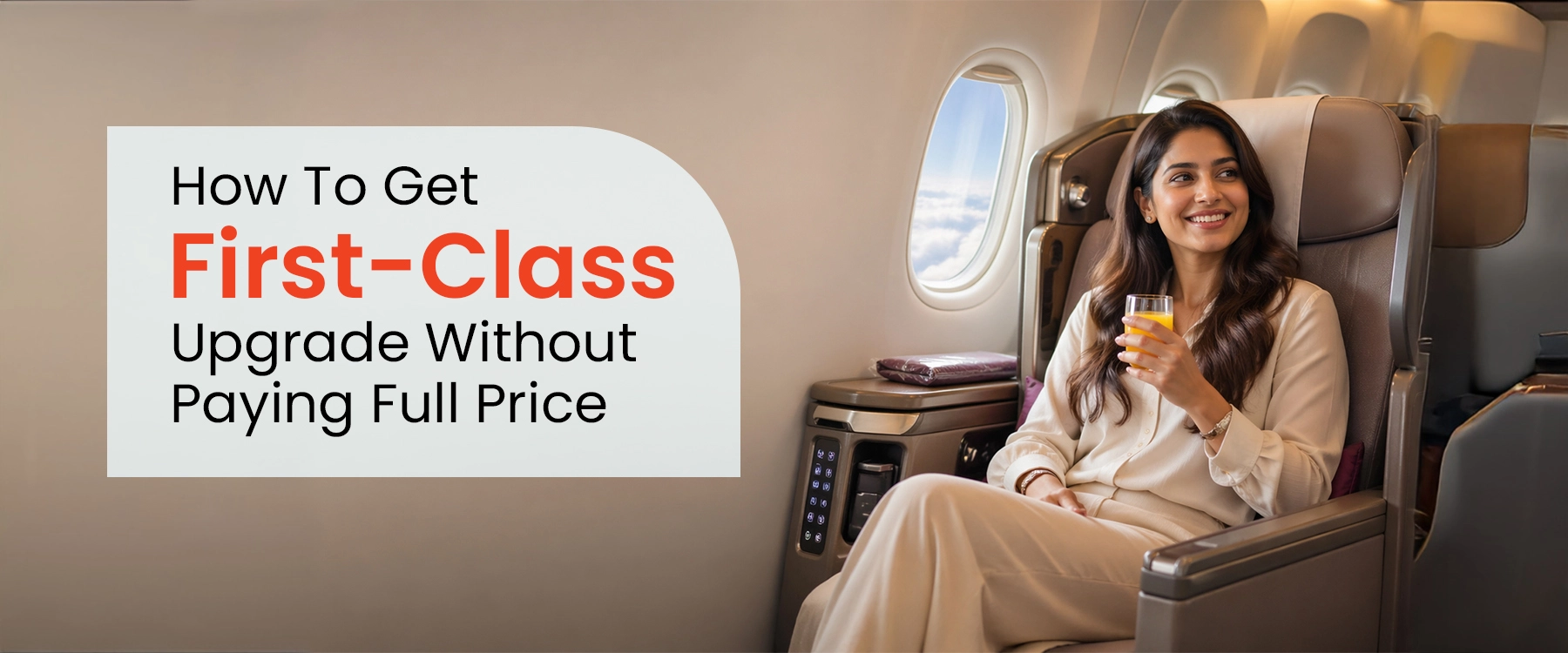

You walk into a flight, pass the first-class cabin and for a second you slow down. The seats look wider, the space feels calmer and the entire experience looks different from what you booked. Most people stop at that moment and assume one thing upgrades only happen if you pay more.
That belief sounds logical, yet it misses how airlines actually work. Upgrades are not random and they are not decided at the airport counter. They follow a system that starts much earlier and once you understand that system, your chances change from rare to realistic.
Most travellers think they can ask for an upgrade during check-in and get lucky. That idea feels simple, but airlines no longer operate that way.
Airlines now use automated systems that rank passengers before boarding even begins. These systems look at loyalty, spending behaviour and how often you engage with the airline. By the time you arrive at the airport, the upgrade list is already prepared and your position is already decided.
This shifts the entire approach, because upgrades are not about asking at the right time. They are about building the right position before the system even runs.
Once you understand that ranking happens early, the next question becomes simple. What actually moves you up that list?
This shows that upgrades reward consistency and that naturally leads to the next factor which is not about you but about the flight you choose.
Not every flight offers the same upgrade opportunity, even if the route looks identical.
This means your timing and route directly affect your position and that connects to how airlines measure your overall value.
Airlines do not only track how often you fly. They also track how you interact with their ecosystem.
This creates an advantage that builds over time and once you start earning points, the next step is using them smartly.
Many travellers wait to collect enough miles for a free ticket, but that approach limits how often you enjoy premium travel.
This strategy makes upgrades practical and there is another way to improve your chances even without holding elite status.
You do not always need to reach elite status yourself, because airlines sometimes extend benefits to people travelling with elite members.
This creates indirect access to upgrades and once you reach the airport, a few small actions still matter.
Many people still try to request upgrades at the counter, but most upgrades are already locked in by the system.
This shows that behaviour does not replace strategy, yet small details can still help in specific situations.
Even within a structured system, a few factors can influence last-minute decisions.
These details do not guarantee upgrades, but they support your position when opportunities appear.
Upgrades depend on airline systems, but your booking decisions still shape your chances and this is where Flightsmojo becomes important.
Flightsmojo helps you choose flights more strategically instead of randomly. You can compare routes, timings and availability in one place which makes it easier to pick options where upgrade competition is lower.
This clarity matters because small choices, like selecting a mid-week flight or avoiding crowded routes, can improve your chances before the airline system even evaluates passengers.
First-class upgrades are not about luck and they are not about asking at the right moment. They are the result of consistent behaviour, smart planning and understanding how airlines prioritise passengers.
When you align your booking decisions with this system and use a focused platform like Flightsmojo to plan better routes and timings, you move closer to a premium experience without paying the full price.
1. Can I get a first-class upgrade without having airline loyalty status?
Yes, you can still get an upgrade without status, but your chances remain lower. Choosing less crowded flights, planning in advance, and using miles or upgrade offers can improve your chances even without loyalty benefits.
2. What is the cheapest way to upgrade from economy to first class?
The most affordable method is to use miles or accept discounted upgrade offers after booking. Airlines often release lower-cost upgrade deals closer to departure when premium seats remain empty.
3. Do airlines send upgrade offers after booking a flight?
Yes, many airlines send upgrade offers through email or apps before departure. These offers usually cost much less than booking a first-class ticket directly.
4. Is it better to upgrade during booking or after booking the flight?
Upgrading after booking often gives better value because airlines reduce upgrade prices to fill unsold premium seats. However, early upgrades guarantee availability.
5. Can I request a free upgrade at the airport check-in counter?
You can request it, but free upgrades are rare. Most upgrades are already assigned through automated systems before you reach the airport.
6. Do solo travellers have better chances of getting upgraded?
Yes, solo travellers have higher chances because airlines find it easier to upgrade one seat instead of accommodating groups.
7. Does booking a cheap flight ticket reduce my upgrade chances?
Not always, but very low-fare tickets may have lower priority. Flexible or slightly higher fare classes often improve your position in the upgrade list.
8. Can flight timing affect my chances of getting upgraded?
Yes, mid-week flights and off-peak timings usually have fewer elite travellers, which increases your chances of getting an upgrade.
9. Is refund protection useful when booking a flight for upgrade opportunities?
Yes, refund protection adds flexibility. It allows you to cancel or change your booking if you find a better flight with higher upgrade chances.
10. How can I increase my chances of getting a first-class upgrade consistently?
You should plan in advance, join loyalty programmes, use airline credit cards, track upgrade offers, and choose flights with lower competition. These steps improve your chances over time instead of relying on luck.