

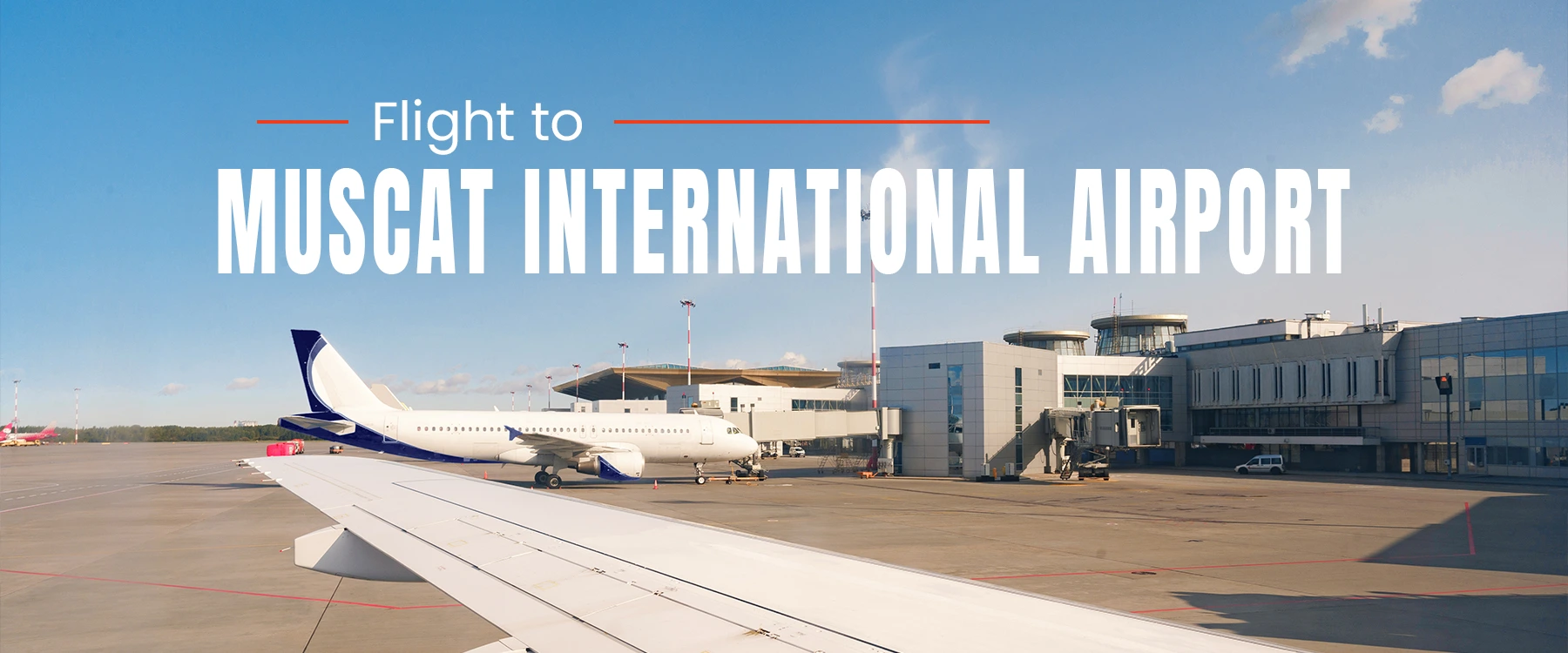
People travelling to Oman usually arrive through Muscat International Airport because it is the largest airport in the country and the main international gateway for both regional and long-haul flights. This airport also works as the main hub for Oman Air and SalamAir which later helped Muscat become more important for international aviation movement across the Gulf region.
Its operates with the IATA code MCT and ICAO code OOMS.
The airport sits around 32 kilometers from old Muscat and handles millions of passengers every year through domestic, Gulf, Asian, European and African routes. Many Indian passengers regularly book a flight ticket to Muscat airport for work, tourism, business travel and family visits because Oman maintains strong connectivity with cities such as Kochi, Mumbai, Hyderabad, Chennai, Delhi and Kozhikode.
Before the current airport expanded into a modern international aviation hub, Oman mainly depended on Bayt al-Falaj Airport for military and limited civilian operations during the early years of air travel. The older airport later became difficult for larger aircraft because mountains around the area created operational limitations for pilots during landing and take-off procedures.
Oman later shifted major operations to Seeb International Airport in 1973 because passenger traffic and airline activity started increasing across the Gulf region. The airport continued expanding during the 1980s and 1990s as more international airlines entered Oman and regional tourism slowly increased. In 2008, the airport officially became Muscat International Airport as part of Oman’s aviation development plans and that expansion later created the need for a much larger passenger terminal with modern airport systems.
The newer passenger terminal opened in 2018 and changed the overall airport experience in Muscat because the airport could finally handle much larger international traffic. The terminal covers around 580,000 square meters and increased annual passenger capacity to nearly 20 million travellers during the first phase itself.
Inside the terminal, the airport now includes wider immigration halls, larger baggage reclaim sections organised check-in areas and multiple boarding gates for international flights. The terminal also handles both regional and long-haul operations through modern aircraft stands and advanced baggage systems.
Several operational systems inside the terminal include:
The larger terminal also changed how passengers move through the airport and that improvement later helped more airlines expand international operations from Muscat.
Aircraft movement at Muscat Airport increased steadily after the airport upgraded runway systems and apron facilities for modern aviation operations. The airport currently operates two parallel runways and both runways support heavy international aircraft movement across regional and intercontinental routes.
The main runway stretches around 4 kilometers in length which allows large aircraft such as Boeing 777, Boeing 787, Airbus A350 and Airbus A380 aircraft to operate without major restrictions. Taxiways and parking stands around the terminal also expanded because airline traffic increased rapidly after the newer terminal opened.
Later the airport added added a 97-metre control tower to improve aircraft coordination and runway visibility during busy operations. Cargo handling systems also expanded because Oman started increasing trade and logistics movement through international aviation routes.
Runway expansion and terminal growth later helped Muscat connect with more international airlines and those airline networks now play an important role in Oman’s aviation system.
Muscat Airport currently handles a mix of full-service airlines, regional carriers and low-cost operators connecting Oman with different parts of Asia, Europe, Africa and the Middle East. Oman Air manages most long-haul international operations from the airport while Salam Air mainly handles regional and budget-focused routes.
Passengers regularly book a flight ticket to Muscat airport from Indian cities because Oman maintains strong labour, tourism and business connectivity with India. Routes from Kochi, Chennai, Mumbai, Delhi, Bengaluru, Hyderabad, Lucknow and Kozhikode remain active throughout the year.
Several major airlines currently operating from Muscat include:
Many travellers compare airfare through Flightsmojo because Gulf routes often change pricing quickly during festival periods, labour travel seasons and summer holidays.
Passenger facilities inside Muscat Airport mainly focus on practical airport movement instead of heavily crowded commercial layouts. Arrival and departure sections remain relatively organised and passengers usually move through immigration and boarding areas without extremely long walking distances.
The airport also includes several useful passenger services across the terminal areas:
Free Wi-Fi services is also across most passenger sections and lounge facilities remain available for business travellers and premium international passengers waiting for long-haul departures. These airport systems later became important for transit passengers using Muscat for connecting international routes.
Transit movement inside Muscat Airport remains relatively organised because the terminal layout is easier to understand compared to some larger Gulf airports. Many passengers travelling between India, the Gulf region, Europe and Africa now use Muscat as a connecting point during international journeys.
Transit passengers usually move through security checks and transfer counters depending on airline schedules and baggage rules. Some international routes allow direct baggage transfer, although certain airlines may require passengers to collect luggage and complete another check-in process before the next departure.
Passengers travelling with labour visas or ECR passports should also verify airline and immigration requirements before departure because some routes still require additional documentation and OK-to-Board verification. International travellers planning a flight ticket to Muscat airport through Gulf routes sometimes use Visa2Fly support from Flightsmojo because visa procedures and travel documentation can vary across airlines and destinations.
The airport later improved transfer systems and boarding operations because connecting passenger movement continued increasing across regional and international routes.
Muscat Airport connects with different parts of the city through taxis, airport buses, hotel transport systems and rental vehicle services. Most passengers travelling from the airport usually prefer taxis because public transport options in Muscat still remain smaller compared to larger metropolitan cities in the Gulf.
Airport taxis operate directly outside the arrival section and several hotels also provide private transfer services for international passengers arriving during late-night schedules. Car rental companies operate inside the airport as well because many tourists prefer self-driving travel while visiting Oman.
Mwasalat buses later improved airport connectivity with major parts of Muscat because passenger movement between the airport and city areas continued increasing after the newer terminal opened. Several travellers booking a flight ticket to Muscat airport also compare transport costs early while planning international trips because local travel expenses can affect the total journey budget.
Passenger traffic at Muscat Airport increased rapidly before global aviation slowed temporarily during 2020. In 2019, the airport handled more than 16 million passengers along with over 117,000 aircraft movements across domestic and international routes.
Oman later continued investing in aviation infrastructure because tourism growth, cargo movement and international airline connectivity started becoming more important for the country’s economy. Future airport plans still focus on increasing passenger handling capacity, improving aircraft operations and expanding terminal infrastructure gradually over time.
Several future development areas include:
Airport development later influenced international travel demand as well and that demand also affects how passengers search for affordable airfare during different travel seasons.
Flight prices between India and Oman usually change depending on tourism demand, labour travel movement, school holidays and festival seasons. Many passengers searching for a flight ticket to Muscat airport try booking early because last-minute fares often become expensive during busy Gulf travel periods.
Mid-week departures sometimes provide better airfare compared to weekend schedules, although pricing still changes depending on airline demand and baggage rules. Some passengers also combine low-cost and full-service airlines while planning international trips because route combinations occasionally reduce total airfare costs.
Many travellers now compare a flight ticket to Muscat airport through Flightsmojo because the platform mainly focuses on flight bookings instead of unrelated travel products. That flight-centric approach later helps passengers compare international fares more clearly without confusing pricing structures.
Flightsmojo also supports:
Passengers searching for a cheaper flight ticket to Muscat airport during labour travel periods or holiday seasons often monitor airfare regularly because Gulf route pricing changes quickly across different airlines. Several international passengers also prefer booking a flight ticket to Muscat airport through Flightsmojo because the platform supports both domestic and international routes while keeping the booking process relatively simple for different types of travellers.
1. Which country is Muscat airport in?
Muscat International Airport is located in Oman. It is the main international airport serving the capital city of Muscat.
2. Do I need a transit visa for Muscat airport?
A transit visa for Muscat International Airport depends on your nationality, layover duration, and whether you plan to leave the airport. Passengers with short connecting flights who stay inside the transit area usually do not need a transit visa.
3. Which is World No. 1 airport?
Singapore Changi Airport is often ranked as the world’s number one airport for its excellent passenger experience, cleanliness, entertainment, shopping, and transit facilities.
4. Which platform is best for booking cheap flight tickets to Muscat?
Many travellers use Flightsmojo to compare fares and book affordable flight tickets to Muscat with options across domestic and international airlines.
5. What is TripShield in flight booking?
TripShield is a travel protection add-on that helps passengers during unexpected situations like flight cancellation, delays, missed connections, or sudden travel plan changes. The exact benefits can vary by booking platform.
6. Do I need a visa to fly to Muscat?
Visa requirements for Oman depend on your nationality and travel purpose. Many travellers can apply for an e-visa before departure, while some nationalities may receive visa-on-arrival benefits.
7. Which aircraft are commonly used for flights to Muscat?
Airlines operating to Muscat International Airport often use aircraft like the Airbus A320, Boeing 737, and Boeing 787 Dreamliner on international routes.
8. How long does it take to fly from Mumbai to Muscat?
A direct flight from Mumbai to Muscat usually takes around 2.5 to 3 hours, depending on the airline and weather conditions.
9. How long does it take to fly from Delhi to Muscat?
A direct flight from Delhi to Muscat generally takes around 3 to 3.5 hours.
10. Does Muscat Airport have duty-free shopping?
Yes, Muscat International Airport has duty-free stores offering perfumes, electronics, chocolates, fashion items, and travel essentials for international passengers.








 Flights & Travel Guide&media=http://crm.flightsmojo.in//UploadedImages/d5fd7442-0549-4ff5-887a-678327a2811c.webp)